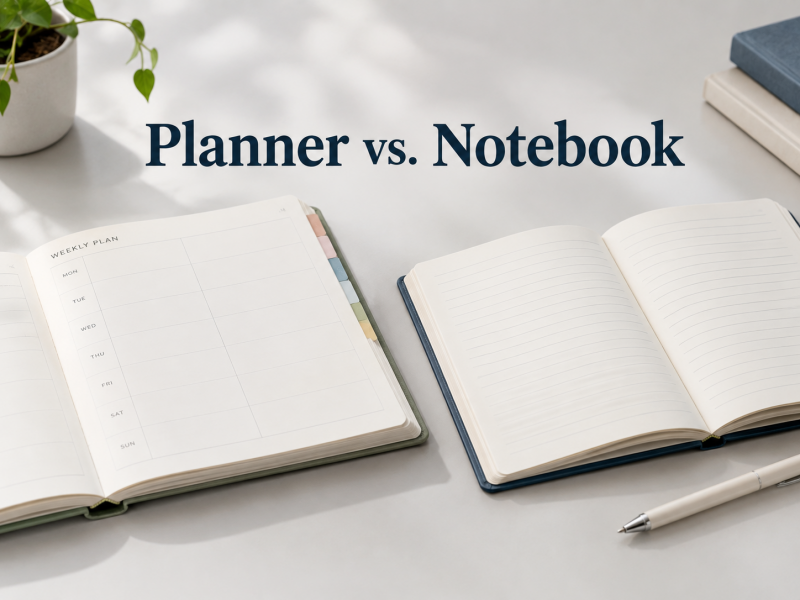
Notebooks come with different paper layouts, but lined, blank, and grid notebooks are among the most common. The right layout can make writing, sketching, and organizing ideas easier. In this guide, we compare lined vs. blank vs. grid notebooks. We cover their key differences, advantages, and common uses. This will help you choose the right layout for your needs.
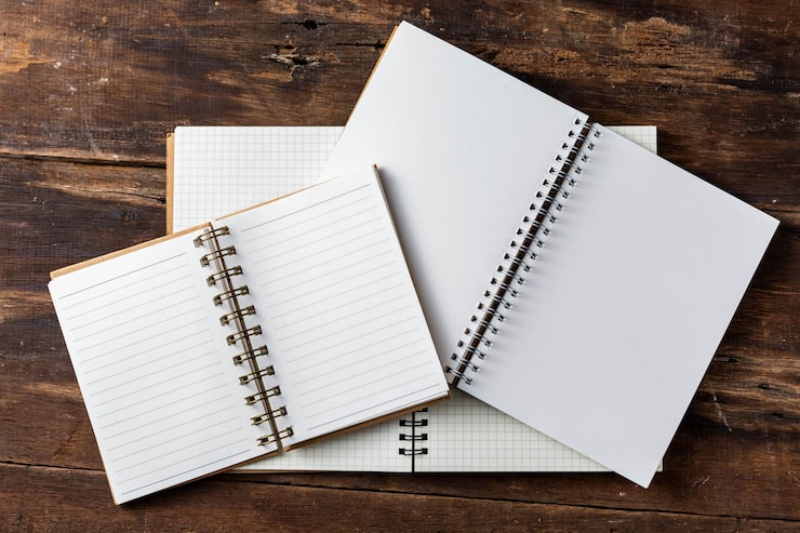
Lined Notebooks
Lined notebooks are one of the most common notebook types. Each page has horizontal lines that guide handwriting and keep text neat and evenly spaced.
Pros
- Keeps handwriting neat and organized
- Makes long-form writing easier
- Works well for regular note-taking
Cons
- Less space for drawings and visual layouts
- Not ideal for mind maps, sketches, or free-form design
Best For
Students, writers, office workers, journaling, meeting notes, and daily records.
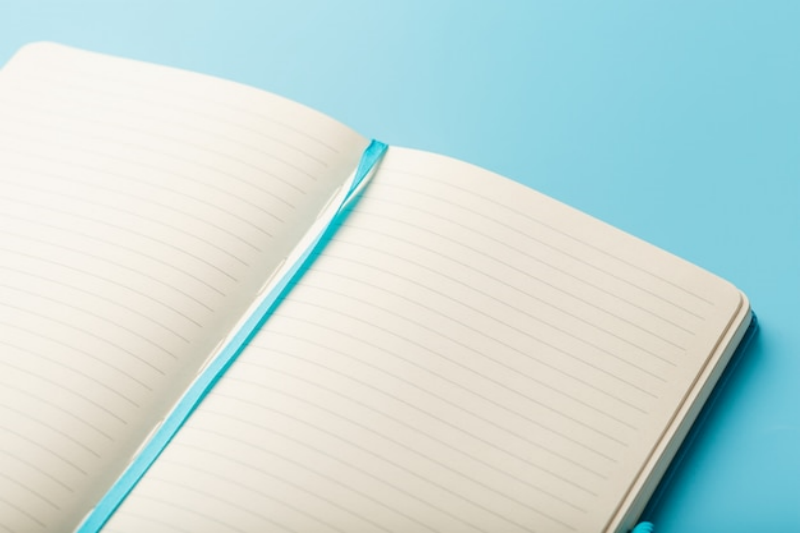
Blank Notebooks
Blank notebooks have plain pages without printed lines or grids. This open layout gives users complete freedom to write, draw, and arrange content as they like.
Pros
-
- Maximum freedom for creative work
-
- Ideal for combining writing and visual content
-
- Works well for non-linear ideas and layouts
Cons
-
- Handwriting can become uneven without guide lines
-
- Less suitable for long-form writing that needs a consistent layout
Best For
Artists, designers, and creative users. Blank notebooks are well suited to sketching, doodling, mind mapping, brainstorming, and visual journaling.

Grid Notebooks
Grid notebooks have pages covered with evenly spaced squares. The grid provides a clear guide for writing, drawing, and organizing content. They offer more structure than blank paper while giving users more freedom than lined paper.
Pros
- Helps create neat tables, charts, and layouts
- Useful for data tracking and technical work
- Balances structure with creative freedom
Cons
- Grid lines may feel visually busy for simple writing
- The pattern can be distracting for users who prefer a clean page
Best For
Students, designers, engineers, planners, and bullet journal users.

Lined vs. Blank vs. Grid Notebooks
| Feature | Lined Notebooks | Blank Notebooks | Grid Notebooks |
|---|---|---|---|
| Writing | Excellent | Good | Excellent |
| Creative Freedom | Low | Maximum | High |
| Layout Flexibility | Low | High | Excellent |
| Best For | Writing & notes | Drawing & creative work | Planning & diagrams |
| Main Limitation | Less freedom for visuals | Less writing guidance | Can look visually busy |
Bonus Section: What About Dotted Notebooks
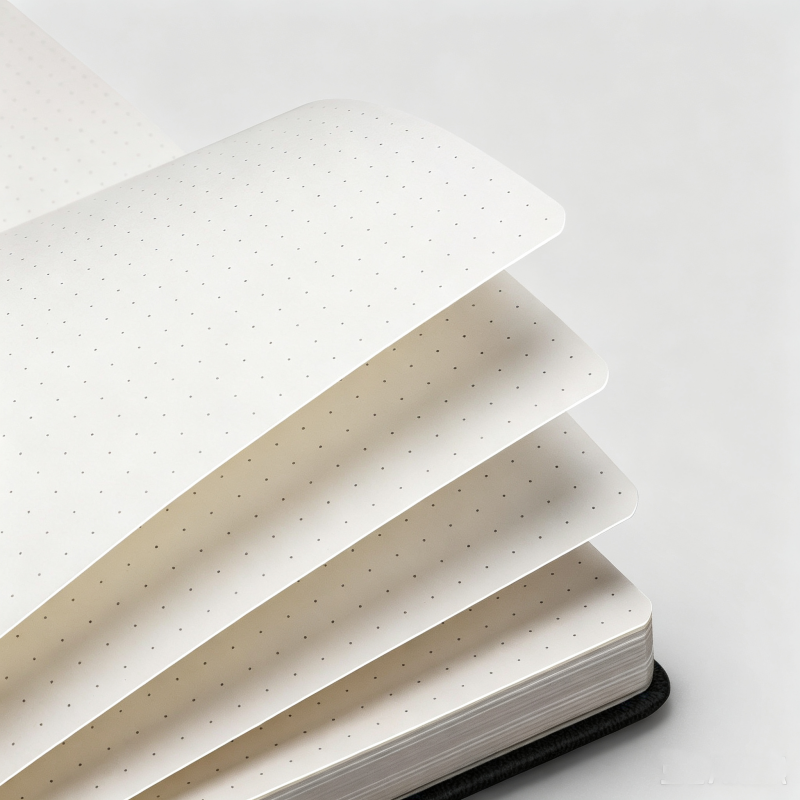
Dot grid notebooks use small, evenly spaced dots instead of continuous lines. A common spacing is 5 mm. The dots provide a subtle guide while keeping the page clean.
The popularity of bullet journaling helped drive demand for dot grid notebooks. As the Bullet Journal method became widely used, dot grid paper became a popular choice for creating custom layouts.
Dot grid paper combines some of the benefits of lined, blank, and grid layouts:
- More flexible than lined paper: Dots can guide handwriting without restricting the page.
- Cleaner than grid paper: Small dots create less visual clutter than solid grid lines.
- More structured than blank paper: The dots help with alignment, spacing, and page layouts.
Best For
Dot grid notebooks are especially useful for bullet journaling, planning, hand lettering, mind mapping, and diagrams. They are also popular for creative layouts where users need some structure without visible lines.
Final Tips
- Line spacing can vary by notebook and target user. Common ruling options include wide, college, and narrow spacing.
- Grid spacing affects how a notebook is used. Smaller squares are better for detailed work, while larger grids are easier for writing and planning.
- Dot grid notebooks often use 5 mm spacing. This provides a useful balance between writing space and layout control.
- Page layouts can be customized for different applications. Some notebooks use specific ruling or grid patterns for tasks such as music, accounting, or technical work.
- The same notebook can be offered with different page formats. This allows brands and retailers to target different users while keeping the same cover design or product style.