A notepad and a memo pad may look almost the same, but they are not always used in the same way. Both are designed for writing notes, lists, and ideas, yet their size, format, and purpose can differ.
A notepad is often better for longer notes, meetings, planning, and study. A memo pad is usually more compact and suited to quick reminders, short messages, and desk use.
For stationery buyers and businesses, these details also affect product design and customization. Paper type, sheet count, binding, printing, size, and packaging can all shape the final product.
In this guide, we compare notepad vs memo pad by looking at their features, everyday uses, customization options, and common sourcing needs.

What Is a Notepad?
A notepad is a paper pad used for writing notes, lists, ideas, and plans. Its pages are usually attached along one edge and can be torn off when needed. The term notepad covers a wide range of sizes and formats. Compared with memo pads, notepads are generally larger and provide more writing space.
Common Notepad Sizes
Notepads are available in many standard and custom sizes. Common formats include:
- A4 (210 × 297 mm): One of the larger common formats. It provides plenty of space for meeting notes, project planning, detailed lists, and office work.
- A5 (148 × 210 mm): A popular middle-size option. It offers a good balance between writing space and portability, making it suitable for meetings, study, and everyday office use.
- A6 (105 × 148 mm): A compact format that is easy to carry. It works well for short notes, to-do lists, and personal use.
- 5 × 8 inches (127 × 203 mm): A common stationery format, especially for office and personal writing products.
- 6 × 9 inches (152 × 229 mm): Provides more writing space while remaining easy to carry. It is often used for journals, notes, and business stationery.
- Custom sizes: Manufacturers can also produce notepads in custom dimensions for specific brands, products, or packaging requirements.
Common Features of Notepads
- Different sizes: A4, A5, A6, and other custom sizes are widely available.
- Various page layouts: Lined, blank, grid, and dotted pages suit different writing tasks.
- Flexible binding: Common options include glued, spiral, and stapled binding.
- Different paper types: Standard writing paper, recycled paper, kraft paper, and specialty papers can all be used.
- Removable pages: Tear-off sheets make it easy to remove completed notes or share individual pages.
How Many Sheets Does a Notepad Have?
Sheet count can vary widely. Small notepads may contain only a few dozen sheets, while larger products can have 50, 100, or even more sheets.
The right number depends on the product’s purpose. A meeting notepad may need more pages for regular use, while a promotional notepad may use fewer sheets to keep the product compact and cost-effective.
In short, notepads are generally designed around writing space and continuous note-taking. Their larger formats make them practical when users need to write, organize, and keep more information in one place.
What Is a Memo Pad?
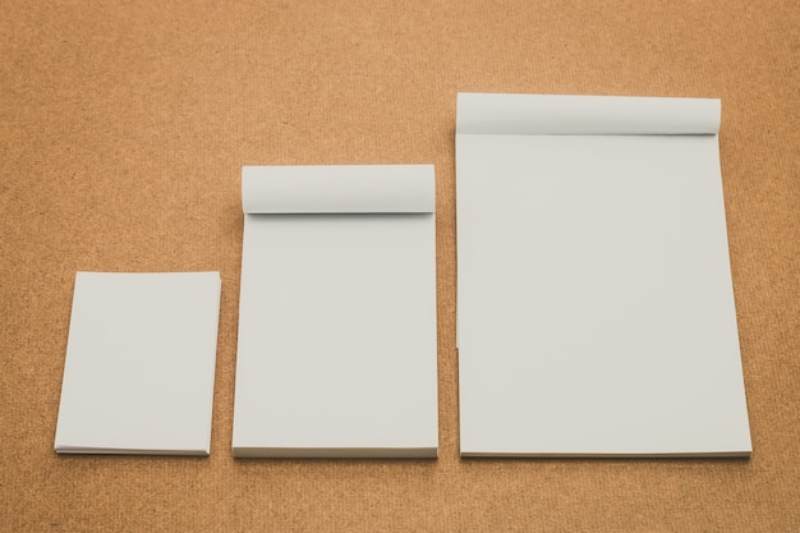
A memo pad is a small paper pad designed for short notes, reminders, and quick messages. It is often kept on a desk, near a phone, or in another easy-to-reach place.
Unlike a notepad, which often offers more space for longer notes, a memo pad focuses on quick, convenient writing. It is useful for phone numbers, short tasks, reminders, and messages that do not need much space.
Common Memo Pad Sizes
Memo pads are usually smaller than notepads. Common formats include:
- 3 × 3 inches (76 × 76 mm): A compact size for short reminders and quick notes.
- 3 × 5 inches (76 × 127 mm): Provides more writing space while remaining easy to carry.
- 4 × 6 inches (102 × 152 mm): A larger memo format for longer reminders, lists, and desk notes.
- Custom sizes: Brands can also create custom dimensions based on the product’s purpose and target market.
The smaller format is one of the clearest differences between a typical memo pad and a standard notepad. A memo pad takes up little desk space and can be used whenever a quick note is needed.
Common Features of Memo Pads
- Compact size: Easy to keep on a desk or carry in a bag.
- Tear-off pages: Glued pages can be removed quickly after use.
- Simple layouts: Blank and lined pages are common, while some products include sections for dates, phone numbers, or tasks.
- Lightweight paper: Suitable for everyday writing with pencils and pens.
- Custom printing: Logos, patterns, brand colors, and promotional messages can be added.
Two Common Memo Pad Formats
Glue-Bound Memo Pad
The pages are glued along the top or side. Users can tear off individual sheets without removing the entire pad.
Sticky Memo Pad
Some memo pads use a light adhesive on the back of each sheet. These sheets can be attached to documents, desks, screens, or other smooth surfaces.
Memo pads are also popular promotional products. Their compact size makes them easy to distribute at trade shows, events, and customer meetings. Businesses can add logos, brand colors, or custom designs to increase brand visibility.
Overall, memo pads are designed for quick notes. Their compact size and easy tear-off format make them convenient for information that needs to be recorded, used, and removed quickly.
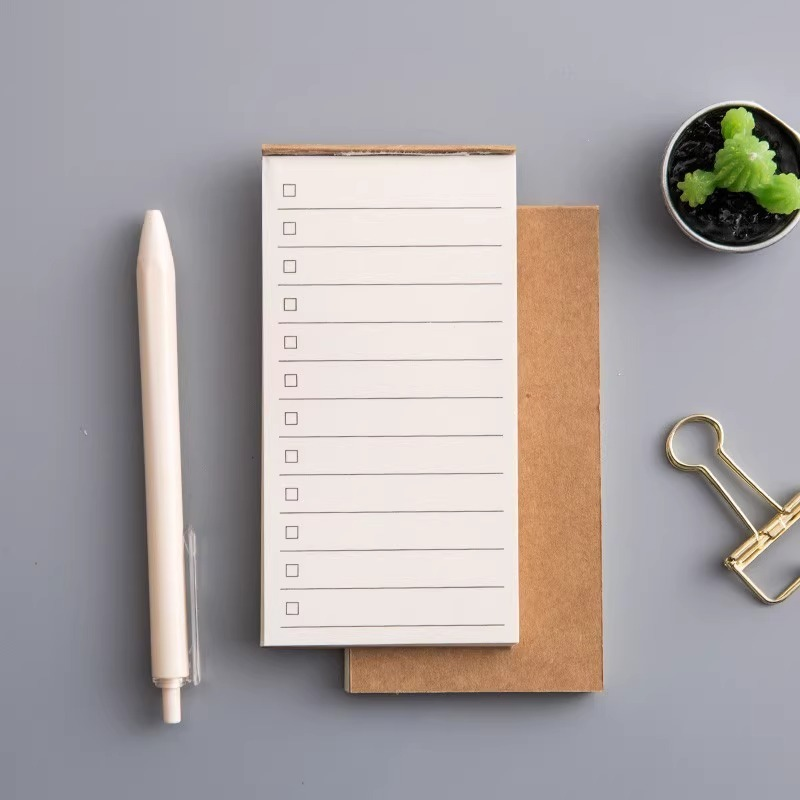
Notepad vs Memo Pad: What Actually Changes?
Notepads and memo pads have a lot in common. Both are designed for writing, and both can use similar paper, binding, and printing options. The main differences are usually size, writing space, sheet count, binding, and intended use.
| Feature | Notepad | Memo Pad |
|---|---|---|
| Typical size | Small to large, with A4 and A5 being common | Usually smaller and more compact |
| Writing space | More room for longer notes | Designed for short notes and reminders |
| Sheet count | Often available with more sheets | Usually fewer sheets |
| Binding | Glued, spiral, stapled, and other formats | Often top-glued or tear-off |
| Portability | Depends on the size | Usually easy to carry |
| Typical use | Meetings, study, planning, and detailed notes | Reminders, messages, lists, and quick notes |
1. Notepad vs Memo Pad: Size and Writing Space
Size is one of the most visible differences between a notepad and a memo pad.
Notepads generally offer a larger writing area. A4 and A5 formats are common choices for meetings, study, project planning, and detailed notes. Smaller formats such as A6 are also available for more portable use.
Memo pads are usually more compact. Common sizes include 3 × 3 inches, 3 × 5 inches, and 4 × 6 inches. These formats are designed for short reminders and quick messages.
However, size is not an official definition. A small notepad and a large memo pad can have similar dimensions.
2. Notepad vs Memo Pad: Sheet Count
Notepads can range from a few sheets to 100 or more. Products for regular writing often use a higher sheet count.
Memo pads usually contain fewer sheets because each page is intended for a short note. Tear-off pages also make them convenient for quick, temporary use.
3. Notepad vs Memo Pad: Binding and Page Removal
Binding affects how easily the pages can be used and removed.
Notepads may use glue, spiral binding, or staples. Spiral formats are useful when users want the pad to open flat or fold back. Glue-bound formats make individual pages easy to tear off.
Memo pads are often top-glued and tear-off. Some also use adhesive backing, as with sticky note products.
4. Notepad vs Memo Pad: Intended Use
Notepads are commonly used for:
- Meeting and class notes
- Project planning
- Work logs
- To-do lists
- Brainstorming
- Longer messages
Memo pads are commonly used for:
- Quick reminders
- Phone messages
- Short lists
- Desk notes
- Temporary information
- Small promotional giveaways
In simple terms, a notepad usually prioritizes writing space, while a memo pad prioritizes convenience and quick use.

Notepad vs Memo Pad: Choosing by Use Case
There is no universal winner between a notepad and a memo pad. The right choice depends on what you need to write, how much space you need, and what you will do with the note afterward.
(1) For Meetings and Detailed Notes: Choose a Notepad
Meetings often require more than a few lines. A larger notepad gives users enough space for key points, action items, and follow-up notes.
A4 and A5 notepads are common choices for offices, conferences, and business meetings. Lined or grid paper can also make longer notes easier to organize.
(2) For Quick Reminders and Messages: Choose a Memo Pad
A memo pad is better when you only need to write a short reminder or message.
It can stay next to a computer, phone, or reception desk. Users can quickly write a task, phone number, or message and tear off the sheet when it is no longer needed.
(3) For Study and Planning: Choose a Notepad
Students and professionals often need more writing space for notes, calculations, ideas, and plans. A notepad provides a larger area and can keep related information together.
Lined paper works well for written notes. Grid paper is useful for calculations, diagrams, and structured planning.
(4) For Promotional Products: Consider a Memo Pad
Memo pads are popular promotional items because they are compact and easy to distribute. They can be used at trade shows, events, customer meetings, and other business activities.
Logos, brand colors, patterns, and custom packaging can be added to create a branded product.
(5) For Premium Business Gifts: Consider a Notepad
A custom notepad offers more space for premium materials and branding. Buyers can customize the cover, paper, binding, printing, and packaging.
This makes notepads suitable for corporate gifts, conferences, hotels, and branded stationery collections.
FAQ – Notepad vs Memo pad
1. Can a notepad be used as a memo pad?
Yes. A small notepad can work well as a memo pad if it is easy to keep nearby and tear off. The difference usually lies in design and intended use, rather than ina fixed product definition.
2. Is a memo pad the same as a sticky note?
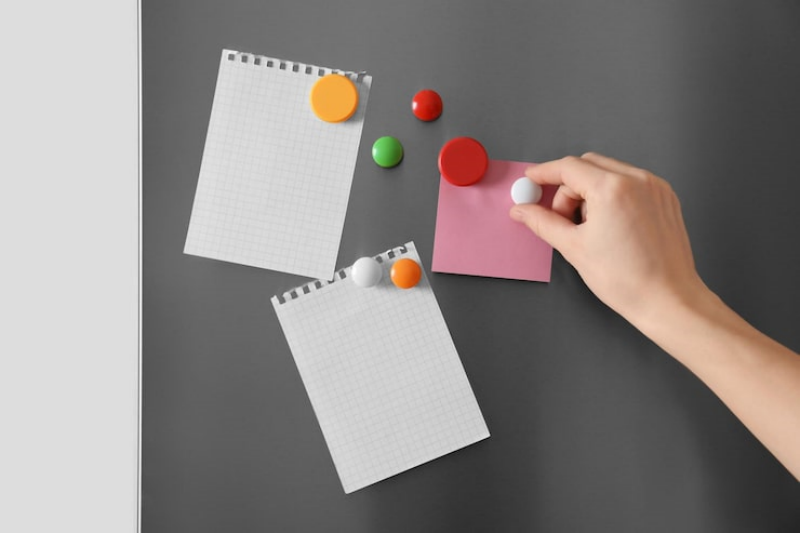
Not always. A memo pad can be a simple tear-off pad with no adhesive. Sticky notes have an adhesive strip on the back and are designed to be attached to surfaces.
Sticky notes are often considered a type of memo product, but the two terms are not always interchangeable in product catalogs.
3. Can notepads be used with fountain pens?
It depends on the paper. Fountain pens work best with paper that has good ink absorption and a smooth surface.
Thin or low-quality paper may allow ink to bleed through or show on the other side. Buyers who plan to use fountain pens should pay attention to paper weight, surface finish, and ink resistance.
4. Why do some memo pads have printed sections?
Printed sections can make a memo pad easier to use for a specific task. Common examples include spaces for a date, name, phone number, message, or checkbox.
These layouts are useful for reception desks, customer messages, delivery notes, and other repetitive tasks. They can also help businesses create stationery for a specific workflow.
5. Do notepads come with perforated pages?
Yes. Some notepads use perforated lines to make individual pages easier to remove.
Perforated pages are useful when users need to tear out notes regularly while keeping the rest of the pad intact.

Conclusion
Notepads and memo pads may look similar, but they serve different everyday needs. A notepad is usually better for longer notes, planning, and organized writing. A memo pad is more suited to quick reminders, short messages, and temporary notes.
The difference is not defined by one fixed size or page count. Instead, factors such as writing space, sheet count, binding, paper, and intended use shape the final product.
For businesses, both formats also offer plenty of room for customization. The right choice depends on the target users, product positioning, budget, and branding needs.
Whether you are developing a retail stationery collection or sourcing custom promotional products, focusing on how the pad will be used is the best place to start. From there, you can choose the format, materials, printing, and packaging that fit the product.