Greeting cards are a simple way to express emotions, celebrate milestones, and stay connected. From birthdays and weddings to holidays and business occasions, each type serves a different purpose.
In an age of instant messages and social media, physical greeting cards still offer something unique. A tangible card and a handwritten message can create a more personal and lasting connection. Nine out of 10 Americans look forward to receiving personal letters and greeting cards. More than 54% still mail greeting cards rather than sending them digitally.
So, what are the different types of greeting cards? They can be grouped by format and design, occasion, special features, and current trends. Understanding these categories can help consumers choose the right card and help businesses build well-rounded seasonal collections.
This guide covers the main types of greeting cards. Whether you are choosing a card for a special occasion or planning a greeting card collection, it provides a clear starting point.

Greeting Cards by Format and Design
Greeting cards come in different formats and design styles. Some follow a classic folded format, while others use photos, handmade details, or personalization to create a more distinctive experience.
1. Standard Greeting Cards
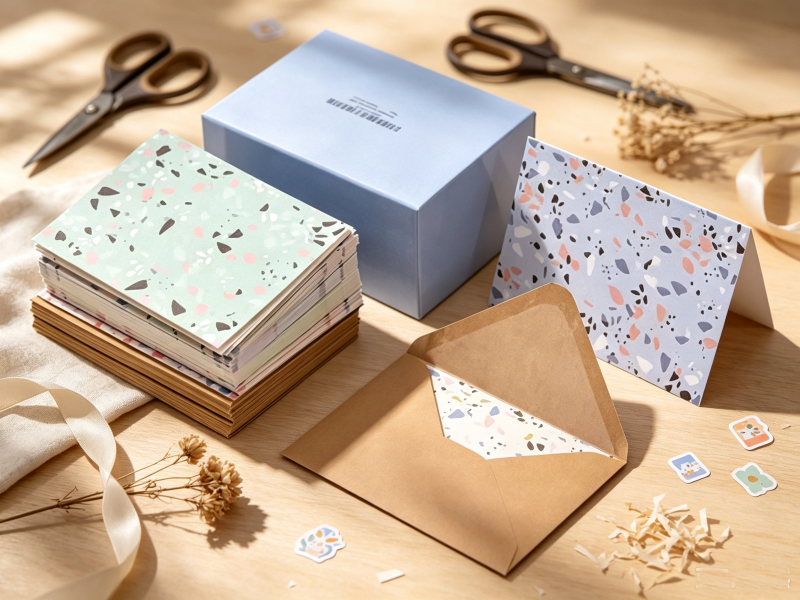
- Definition: Printed on quality cardstock, standard greeting cards are usually folded in half with a decorative front, a printed or blank interior, and a matching envelope.
- Key Features: This is the most traditional and common greeting card format. It works well for almost any occasion.
2. Photo Greeting Cards
- Definition: Photo greeting cards use personal photos as a main part of the design. They are often used to share family memories or special moments.
- Two Common Types:
- Photo Insert Cards: The card has a window or pocket where a photo can be inserted and replaced.
- Printed Photo Cards: The photo is printed directly on the card and combined with decorative artwork.
- Typical Uses: Family holidays, Christmas, weddings, baby showers, and family announcements.

3. Handmade Greeting Cards
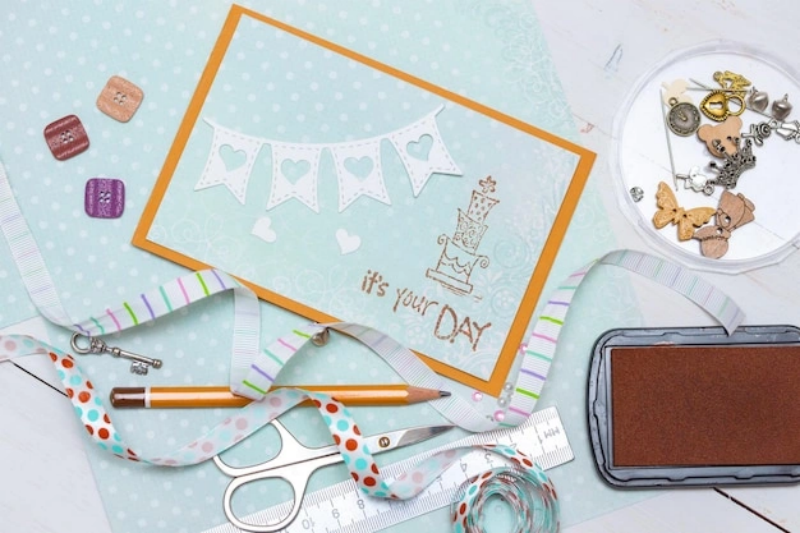
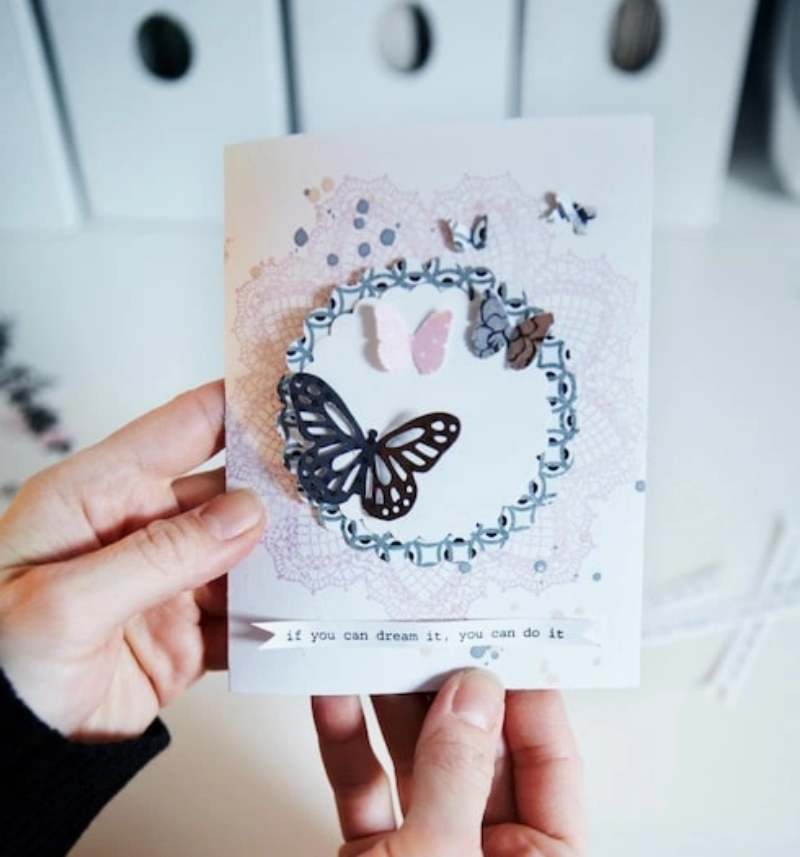
- Definition: Handmade greeting cards are made entirely or partly by hand. They may feature paper cutting, quilling, pressed elements, layered paper, or 3D decorations.
- Key Features: They usually have a more artistic and handcrafted look and are often positioned as premium or keepsake cards.
4. Personalised Greeting Cards
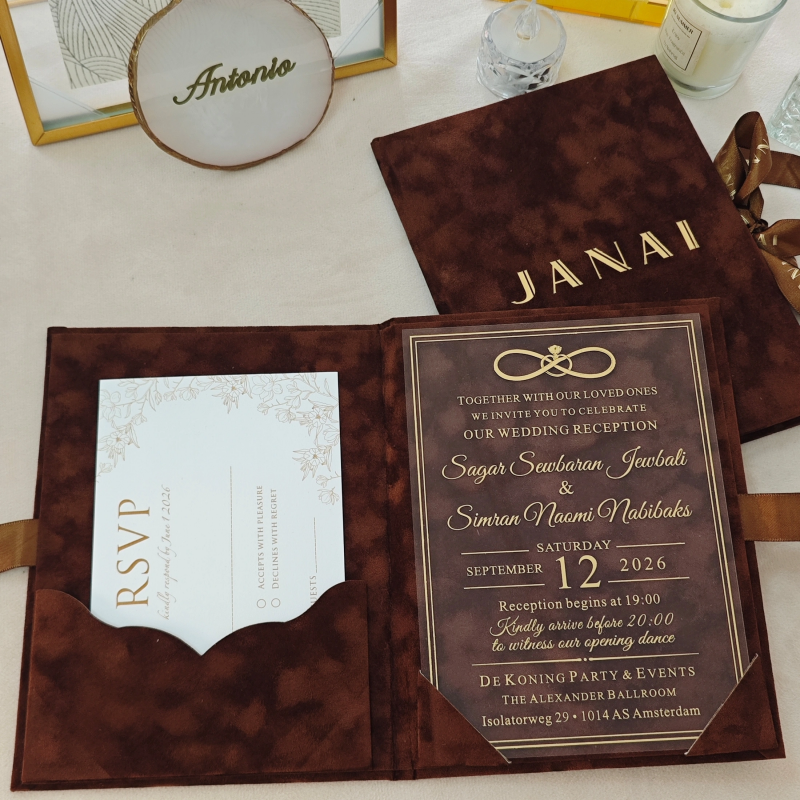
- Definition: Personalised greeting cards allow customers to add names, photos, messages, or other custom details. The design can be adapted to a specific recipient or occasion.
- Key Features: They offer a more personal alternative to standard cards and are popular for birthdays, weddings, anniversaries, and family celebrations.
5. Reusable Greeting Cards
- Definition: Reusable greeting cards are designed to be used more than once. Some have replaceable inserts, while others use removable pages that can be replaced for a new message.
- Key Features: Their reusable design can reduce waste and appeal to consumers looking for practical or more sustainable alternatives.
Greeting Cards by Occasion
Another common way to classify greeting cards is by occasion. These cards can be broadly divided into seasonal cards and everyday cards. Seasonal cards are tied to specific holidays, while everyday cards cover occasions that occur throughout the year.
Birthday cards are the largest everyday category, accounting for about 60% of individual everyday cards sold. Other popular everyday categories include anniversary, get-well, friendship, and sympathy cards.
1. Seasonal Greeting Cards
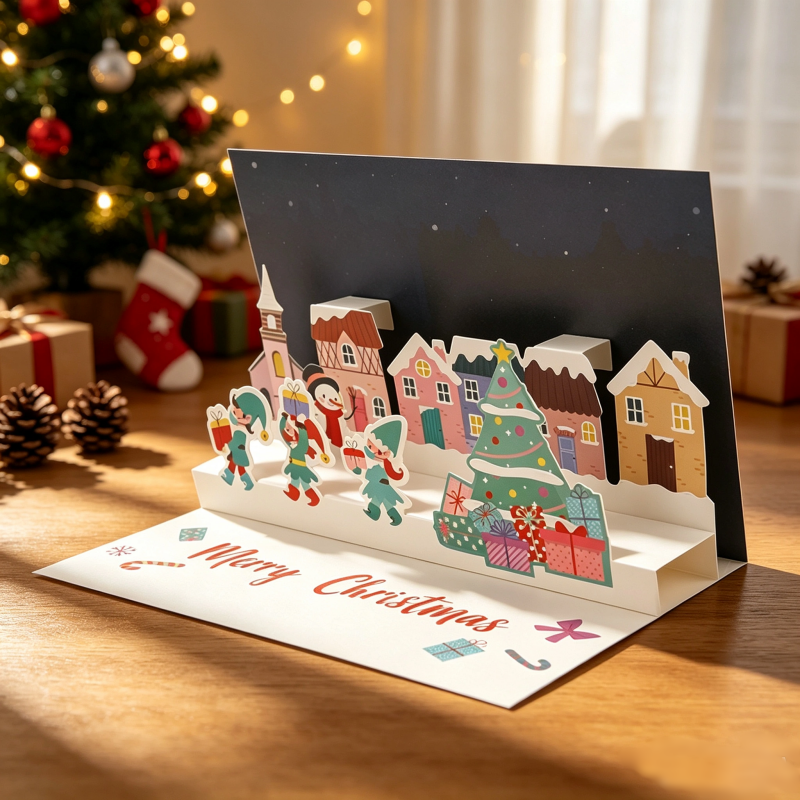
Seasonal cards are linked to specific holidays and usually have a clear selling period each year. Common examples include:
- Christmas Cards: One of the largest seasonal categories, with designs ranging from family greetings to religious themes.
- Valentine’s Day Cards: Used to express love and affection, from romantic messages to humorous designs.
- Mother’s Day and Father’s Day Cards: Offer messages ranging from heartfelt and traditional to playful and humorous.
- Easter Cards: Combine religious themes with spring-related designs and greetings.
- Halloween Cards: Often feature playful, spooky, or humorous designs.
- Hanukkah Cards: Created for Hanukkah celebrations and often feature Jewish cultural or religious themes.
- St. Patrick’s Day Cards: Often use Irish-inspired themes, symbols, and messages.
Source: Artcool Greeting Card
2. Everyday Greeting Cards
Everyday cards are not tied to a specific holiday. They cover a wide range of personal milestones, relationships, and everyday moments.
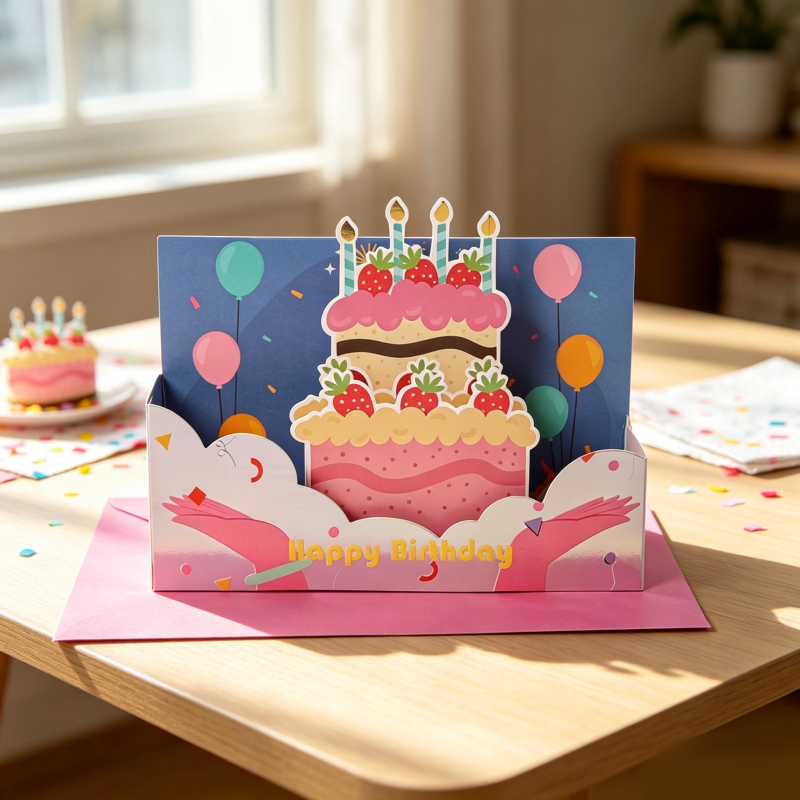
(1) Birthday Cards
Definition: Birthday cards are used to celebrate someone’s birthday and are one of the broadest greeting card categories.
Key Features: Designs vary widely by age, relationship, and style. They can be funny, warm, elegant, or highly personalized.
Typical Uses: Cards for children, friends, family members, partners, and colleagues.
Source: Artcool Greeting Card
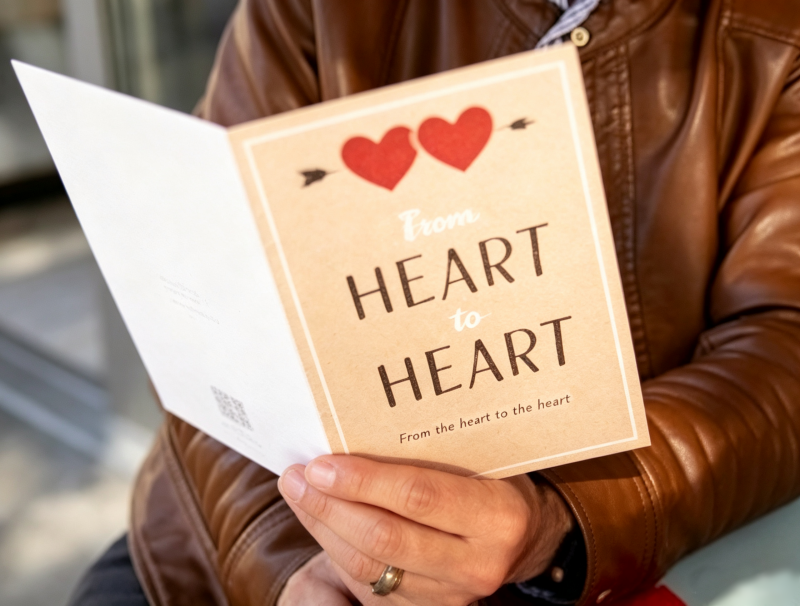
(2) Anniversary and Romantic Cards
Definition: Anniversary and romantic cards are used to express love and celebrate relationship milestones.
Key Features: Designs range from sentimental and elegant to playful and humorous. Anniversary cards focus on relationship milestones, while romantic cards can be used at any time to express affection.
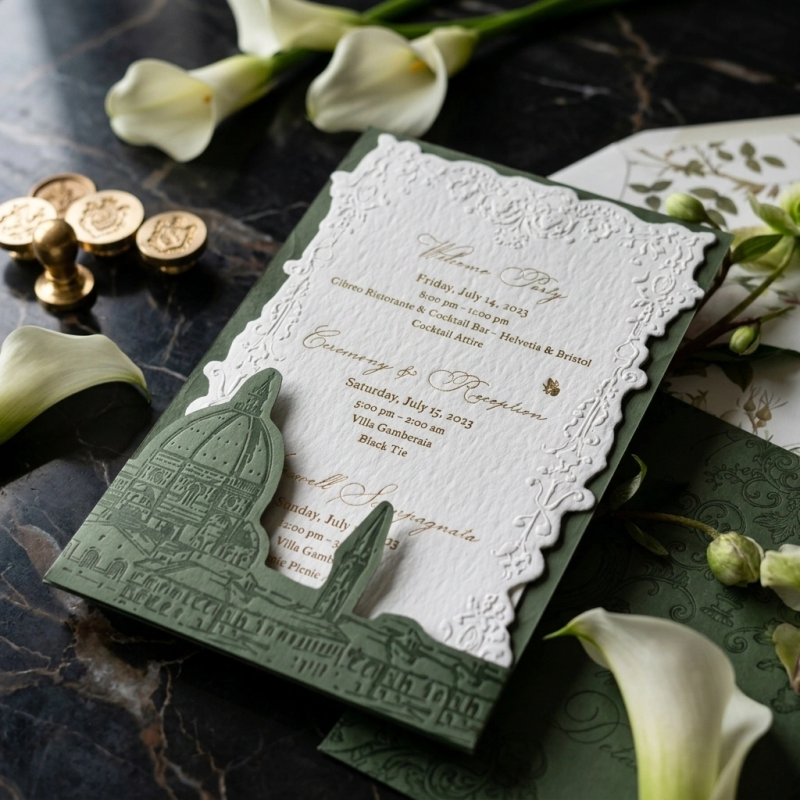
(3) Wedding and Engagement Cards
Definition: These cards celebrate an engagement, wedding, or newly married couple.
Key Features: Designs are often elegant and romantic, with floral patterns, refined typography, or other celebratory details.
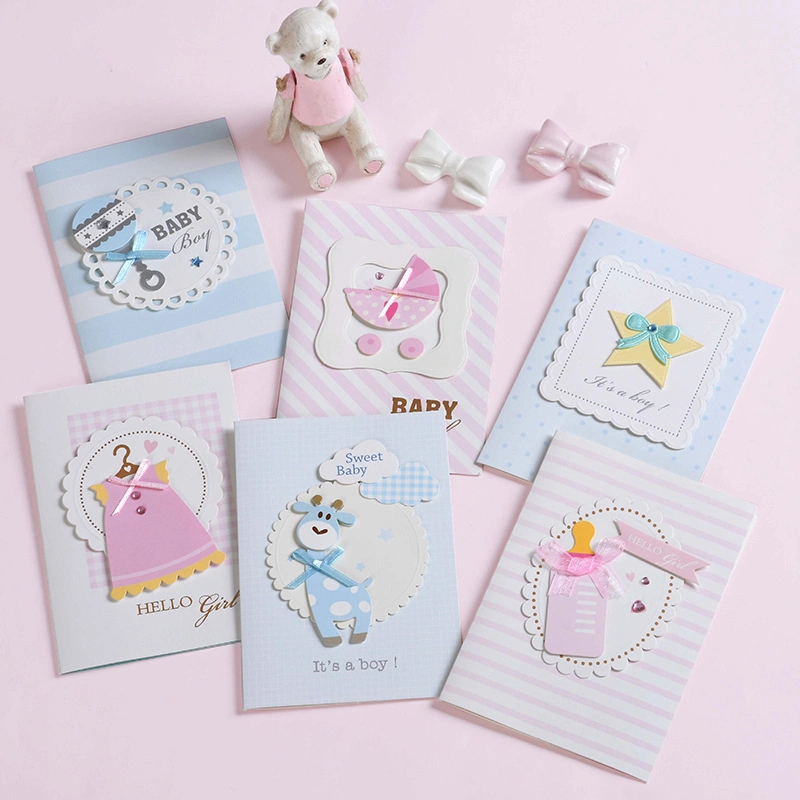
(4) Baby Cards
Definition: Baby cards celebrate a new baby, pregnancy, or baby shower.
Key Features: Designs may use soft colors, playful illustrations, animals, or humorous messages. Gender-neutral designs are also common.
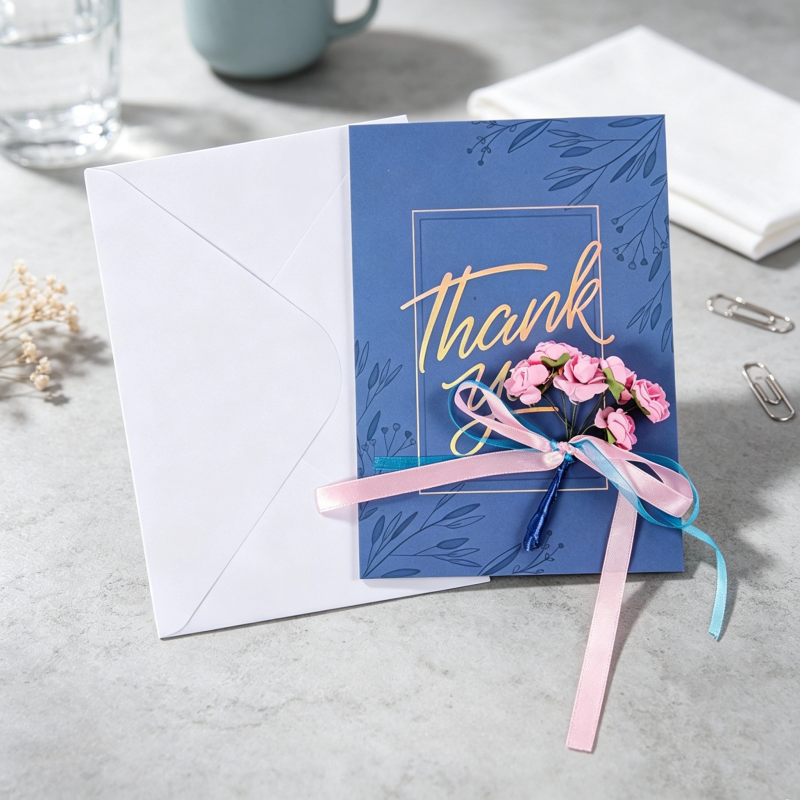
(5) Thank You Cards
Definition: Thank-you cards are used to show appreciation for gifts, support, hospitality, or other acts of kindness.
Key Features: They often have simple designs and enough space for a handwritten message. They work for both personal and professional situations.
Source: Artcool Greeting Card
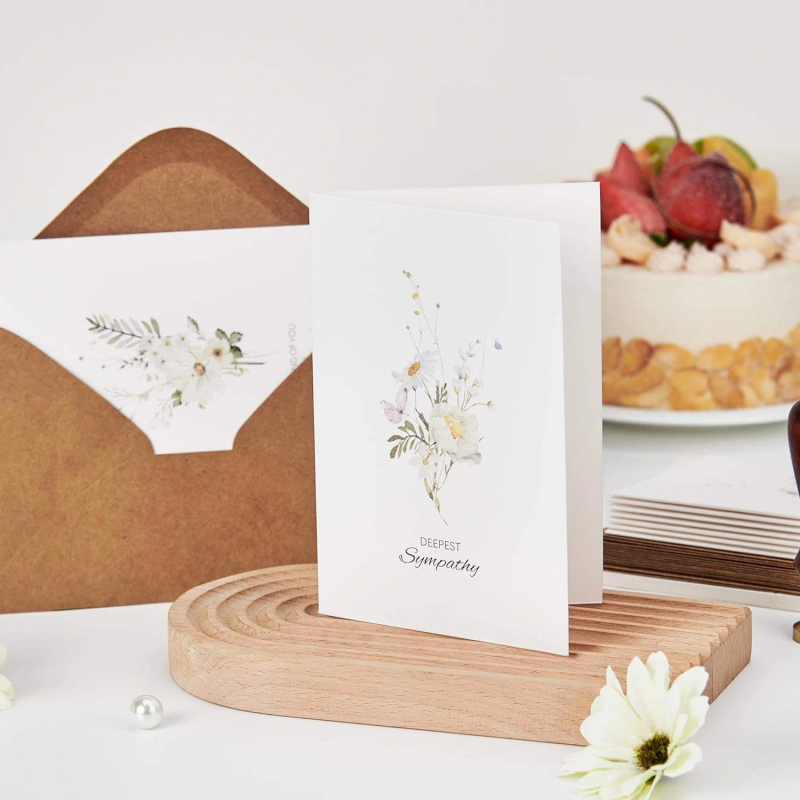
(6) Sympathy Cards
Definition: Sympathy cards are sent to people who have experienced the loss of a loved one or pet.
Key Features: They usually use simple layouts, softer colors, and thoughtful messages. Unlike get-well cards, they focus on comfort and sympathy.
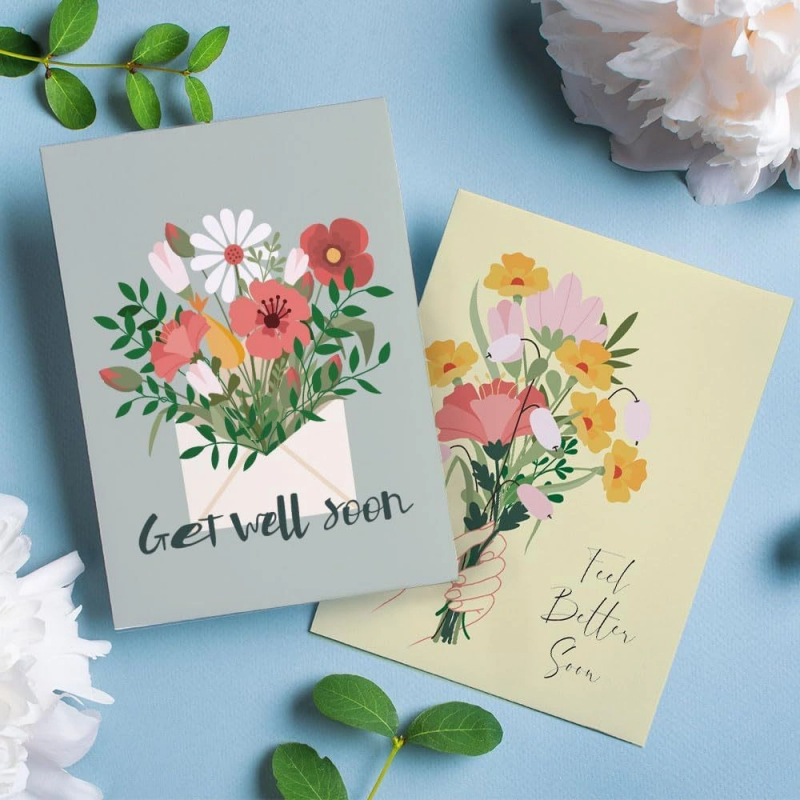
(7) Get Well and Encouragement Cards
Definition: These cards are used to offer support to someone who is ill, recovering, or going through a difficult time.
Key Features: Their messages are usually positive and reassuring, with designs that create a sense of warmth and hope.
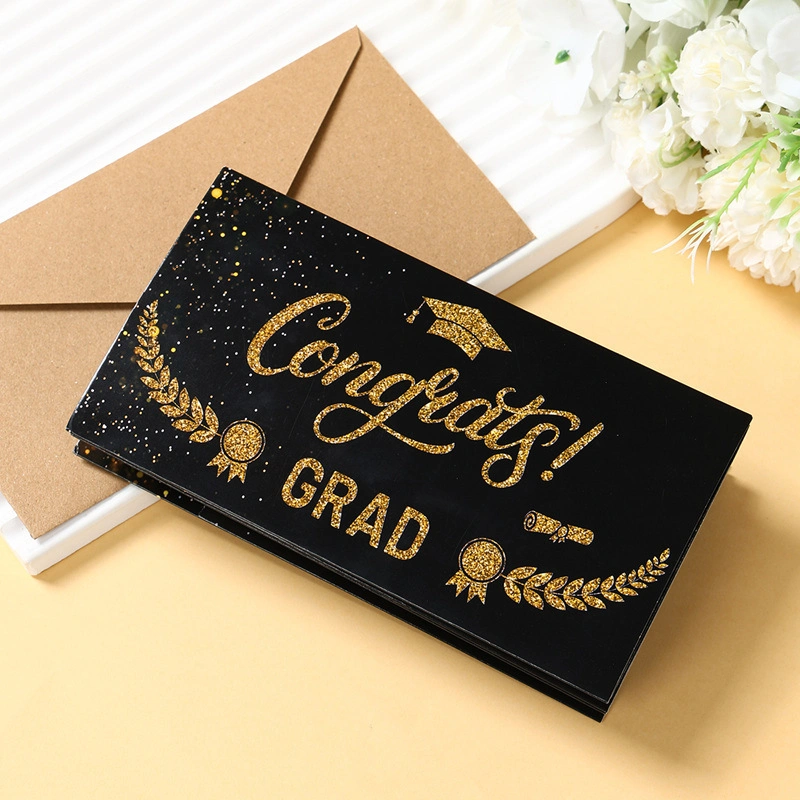
(8) Congratulations Cards
Definition: Congratulations cards celebrate achievements and important milestones.
Typical Uses: Graduation, new jobs, promotions, new homes, and other personal achievements.
(9) Other Occasion Cards
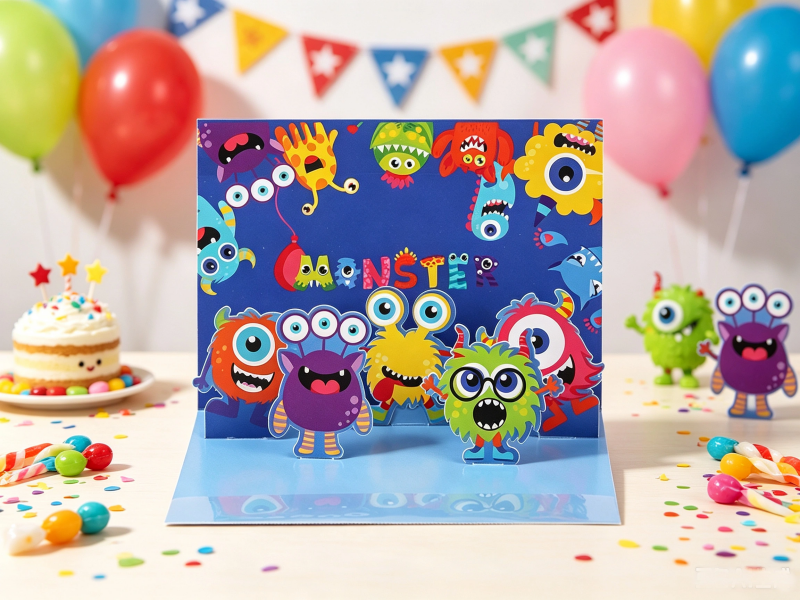
Other niche categories include retirement cards, thinking-of-you cards, moving cards, apology cards, and cards in languages other than English.
These smaller categories help retailers serve specific customer needs and create more diverse collections.
Source: Artcool Greeting Card
Greeting Cards by Special Features
Special structures, sound, handmade techniques, and digital features can make a card more interactive and memorable. They can also give a simple paper product a stronger gift-like appeal.
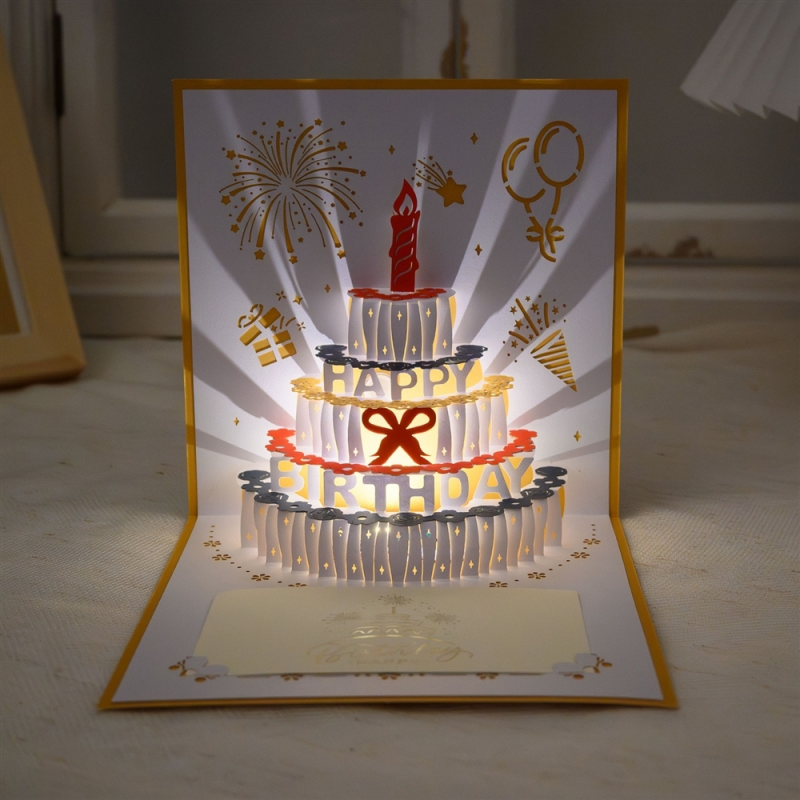
1. Pop-Up Cards
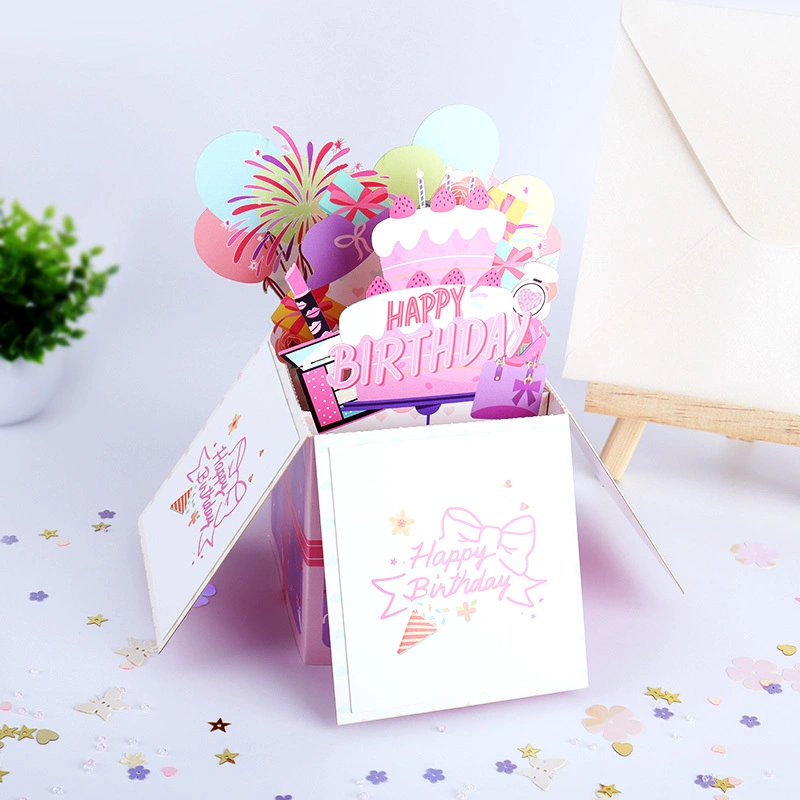
- Definition: Pop-up cards use three-dimensional structures that rise or unfold when the card is opened. Designs can range from simple shapes to detailed scenes with multiple layers.
- Key Features: Their visual effect makes them popular. They can also be kept as decorative items or keepsakes.
2. Musical Cards
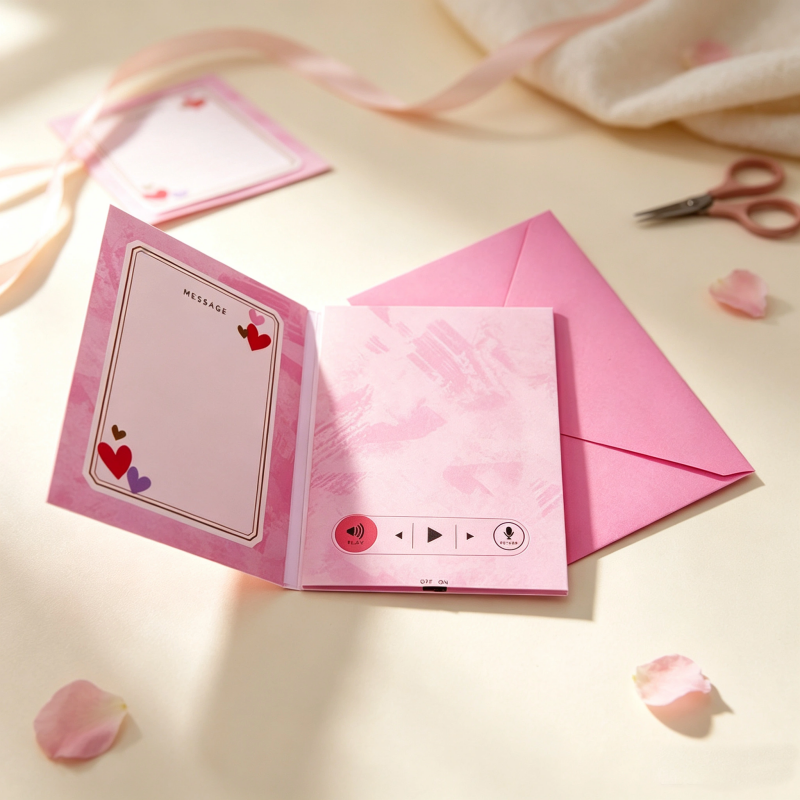
- Definition: Musical cards contain small electronic components that play music, sound effects, or recorded messages when the card is opened or activated.
- Key Features: Birthday songs are common, but cards can also feature holiday music, sound effects, or personalized recordings. They add an audio element to the traditional card experience.
3. Interactive Cards
- Definition: Interactive cards use movable or changeable elements that encourage the recipient to engage with the design. Common features include pull tabs, rotating wheels, sliding panels, and light-up elements.
- Key Features: They offer a more engaging experience than standard cards and are often used for children’s cards, novelty products, and gift-oriented collections.
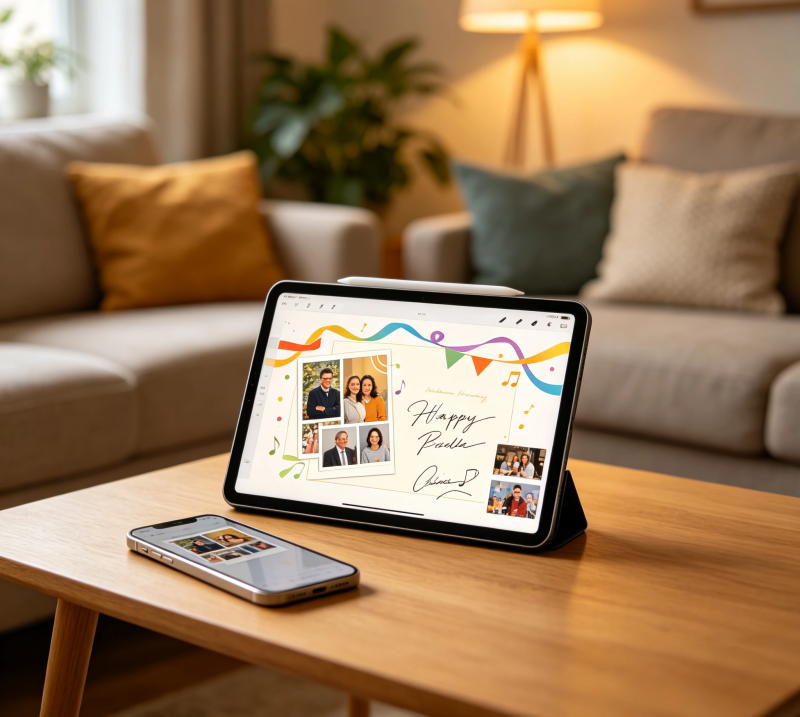
4. E-Cards
- Definition: E-cards are digital versions of greeting cards that can be sent through email, websites, messaging apps, or social media.
- Key Features: They can include animations, music, videos, photos, and digital signatures. They are convenient for instant delivery and are also used for group messages and business occasions.
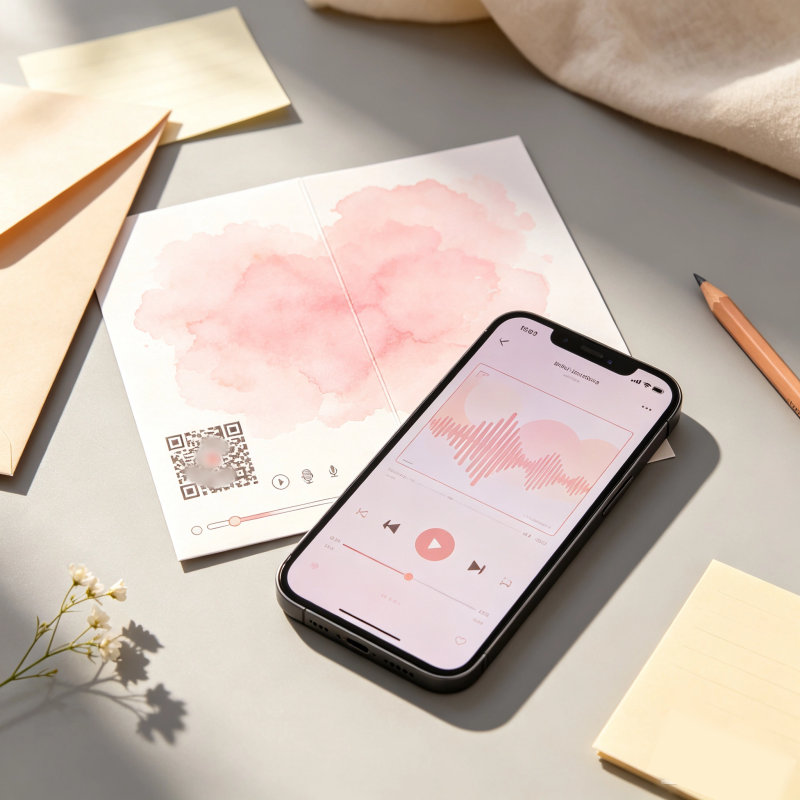
5. Cards with Digital Features
- Definition: Some physical greeting cards now combine printed designs with digital content. QR codes can link to personalized audio or video messages, while emerging technologies such as augmented reality (AR) can add digital elements to a physical card.
- Key Features: These features connect the physical and digital experience. They give recipients more ways to interact with a card while keeping the traditional value of a physical product.
Current Greeting Card Trends
The greeting card market is changing as consumers look for products that feel more personal, meaningful, and distinctive. At the same time, new technology and sustainability concerns are influencing product development. Several trends are shaping the market today.
1. Personalization and AI-Assisted Design
Personalized cards are becoming more popular as consumers look for more meaningful ways to connect. Names, photos, custom messages, and designs for specific relationships can make a card feel more personal.
AI is also making customization easier. AI-powered tools can help users create artwork, suggest messages, and develop card designs in less time. Combined with print-on-demand services, these tools also make small-batch personalized orders more practical.
2. Sustainability and Eco-Friendly Options
Sustainability is becoming an important consideration for both consumers and businesses. Greeting card companies are reducing unnecessary plastic packaging and exploring more recyclable and responsibly sourced paper options.
New products such as seed paper cards also offer an alternative for consumers looking for more environmentally conscious designs. For manufacturers and retailers, eco-friendly materials and packaging can become part of a broader sustainable product strategy.
3. Digital and Interactive Features
Digital technology is increasingly being combined with physical greeting cards. QR codes can link cards to personalized videos, audio messages, or other online content.
Augmented reality (AR) offers another option. By scanning a card with a smartphone, recipients can access animations, videos, or 3D effects. These features add a digital layer while keeping the physical card experience.
4. More Diverse and Inclusive Designs
Greeting card collections are becoming more representative of different cultures, families, relationships, and life experiences. Designs are increasingly created for specific communities rather than relying only on traditional themes.
This includes multicultural, multilingual, LGBTQIA+, and other identity-focused collections. These products allow more consumers to find cards that better reflect their experiences and relationships.

Source: Artcool Showroom
Conclusion
Greeting cards are more than folded pieces of paper. From standard designs and birthday messages to sympathy cards, pop-up structures, and digital features, they continue to evolve while keeping their core purpose: expressing emotions in a tangible way.
Understanding the different types of greeting cards can help consumers choose the right card for each occasion. For retailers and wholesalers, it also makes it easier to build a balanced collection. Year-round designs can provide steady demand, while seasonal, personalized, and creative cards can attract specific customer groups.
The best product mix depends on the target market, sales channels, budget, and seasonal demand. For businesses looking for custom greeting cards, an experienced manufacturer can also help turn design ideas into products that fit specific market needs.
No matter how designs and technologies change, a good greeting card still does one thing well: it delivers the right message at the right time in a meaningful way.